
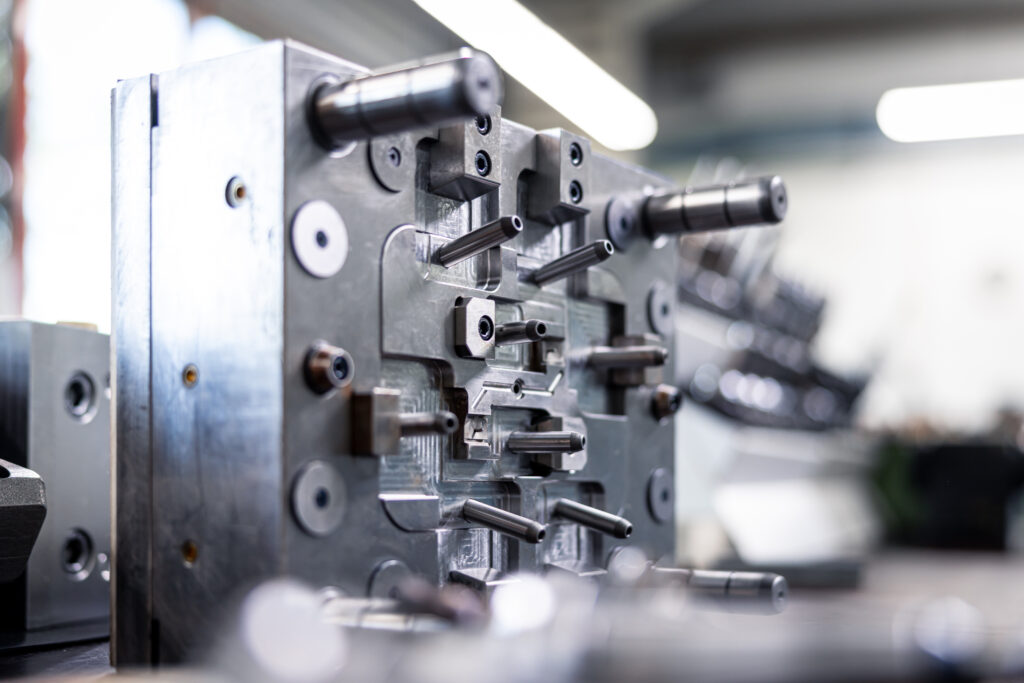

Tool transfer
Your tool, our production: We take over existing injection molds from your previous supplier and seamlessly integrate them into our production processes—for a smooth transition without compromising quality.
Supplier change without risk
A supplier change in injection molding is often associated with uncertainties—quality fluctuations, production downtime, or long ramp-up phases.
With our structured tool transfer process, we ensure that your series production continues without interruption—maintaining consistent quality and predictable conditions.
At Schröder + Heidler, we have more than three decades of experience in taking over third-party tooling. We analyze your tools in detail, carry out professional sampling, and ensure production readiness within our facilities. Thanks to our in-house toolmaking, we can implement necessary adjustments and maintenance directly on site.
- Uninterrupted series production during supplier change
- Comprehensive tool analysis and condition assessment prior to transfer
- Professional sampling with complete documentation
- Tool maintenance and optimization in our own toolmaking facility
- A dedicated contact person for the entire transfer process
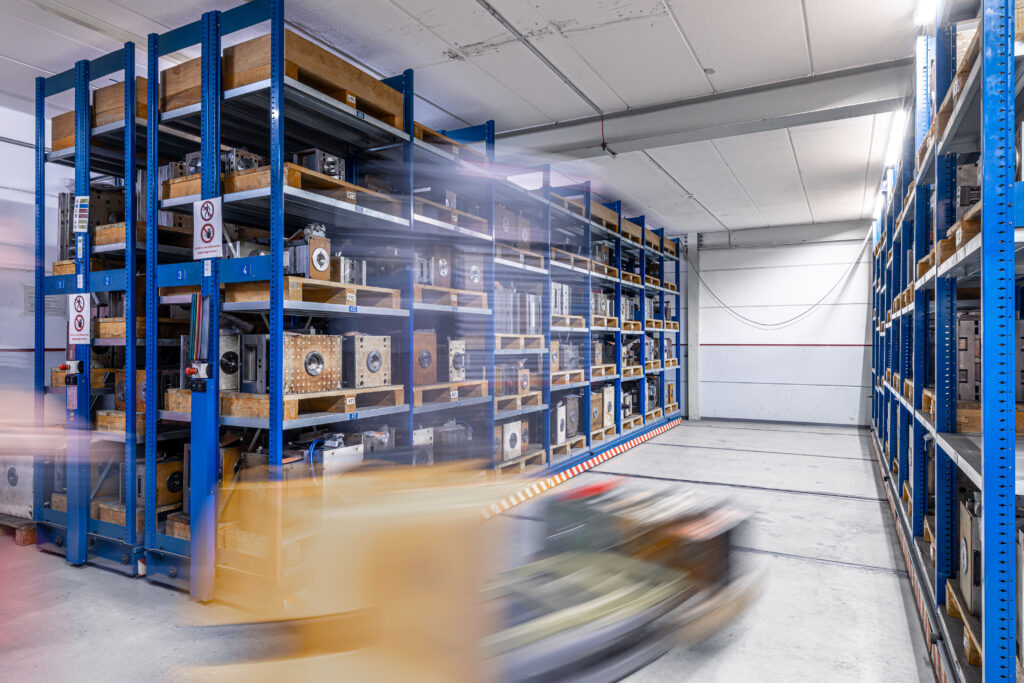

From A to B is something anyone can do!
Tool transfer means far more than simply relocating an injection mold. Each tool has its own history—wear patterns, process parameters, and specific characteristics that we systematically capture and transfer into our production. Thanks to our experience with a wide range of tool designs and machine types, we ensure that your parts achieve the exact quality required in our facility as well.
-
Systematic analysis
Before every transfer, we assess the condition of the tool, document wear, and define the necessary measures transparently and clearly for you.
-
Fast integration
Thanks to our broad machine range and flexible clamping options, we integrate third-party tools quickly into our production—even when they deviate from standard specifications.
-
Complete documentation
Every step of the transfer process is documented—from the initial evaluation and sampling through to final series approval. This ensures you have full visibility at all times.

Typical reasons for tool transfer
- Supplier change
Is your current supplier no longer meeting your expectations in terms of quality, delivery reliability, or flexibility? We take over your tools and ensure seamless continuation of production.
- Supplier insolvency
If a supplier fails, speed is essential. We respond quickly, collect your tools, and start production—so your supply chain is not interrupted.
- Consolidation & site centralization
Would you like to consolidate multiple tools at a single location to simplify logistics and coordination? We take over your tools and provide everything from a single source.
From initial inquiry to ongoing series production—our transfer process in three steps.
We support you from the first consultation through to stable series production. Our proven process ensures planning reliability and minimizes risk.
Tool analysis and evaluation
We assess the condition of your tools, review wear, documentation, and compatibility with our machinery, and develop a detailed action plan.
Maintenance and sampling
We carry out necessary repairs and adjustments in our in-house toolmaking facility. The tool is then sampled on our machines, and the results are matched against your specifications.
Series approval and production
After successful approval, we start series production—with stable processes, documented quality, and reliable delivery in line with your requirements.
Why a tool transfer with Schröder + Heidler makes sense
With our in-house toolmaking, broad machinery portfolio, and decades of experience with third-party tooling, your tools are in the best hands with us.
In-house toolmaking
Reparaturen, Anpassungen und Optimierungen erledigen wir direkt im eigenen Werkzeugbau – ohne externe Dienstleister und ohne Zeitverlust.
Flexible Machine Capacity
We carry out repairs, adjustments, and optimizations directly in our own toolmaking facility—without the need for external service providers and without any loss of time.
Certified Quality
The entire transfer process is carried out in accordance with our quality management system standards—certified to ISO 9001:2015 and IATF 16949:2016. The quality of your components remains assured.
Assembly Included
The entire transfer process is carried out in accordance with our quality management system—certified to ISO 9001:2015 and IATF 16949:2016. This ensures that the quality of your components remains consistently high.
Frequently asked questions about tool transfer
The first step is the question of ownership: who owns the tool, and where is it? The second is remaining stock, which determines how much time is left for the transfer. Call us as soon as the failure becomes apparent, not once the warehouse is empty. We will then tell you what we need for a condition assessment and how the process works.
This is governed by the tooling contract. Typically the customer pays for the tool and becomes its owner, while it stays with the moulder and is maintained there. In the event of insolvency, ownership is the first point to clarify, and for that you need the tooling contract and the invoice. Legal advice on this belongs with your lawyer, not with a moulder.
Tool drawing or data sheet with mounting dimensions · part drawing with the required tolerances · the most recently moulded sample parts · the process parameters used so far · material and colour details · maintenance history and known wear points · the latest sampling documentation · remaining stock and annual demand. If something is missing, we still proceed; the assessment just becomes less precise.
In most cases, yes. Our machine park covers clamping forces from 50 to 400 tonnes. Different mould standards or mounting systems are not a knock-out criterion; they are adapted in our in-house toolmaking. Whether and how much work is needed is determined by the condition assessment.
Yes. Relocating production to another site is subject to notification and triggers a new initial sample inspection, for automotive parts under PPAP or the PPF procedure in accordance with VDA Volume 2. We plan this in from the start so that the approval does not become the bottleneck at the end.
In the best case, not at all. What matters is how early the transfer begins and how large the safety stock is. That is why the first conversation is the most important appointment: tool condition, remaining stock and sampling effort yield a realistic schedule, and that schedule can only be kept if it is set early enough.

Planning a tool transfer?
Whether a single tool or an entire tool portfolio—we support your transfer professionally and reliably. Talk to us about your specific case and discover how smoothly a supplier change can be.