

2K Injection Molding
Two components, one part:
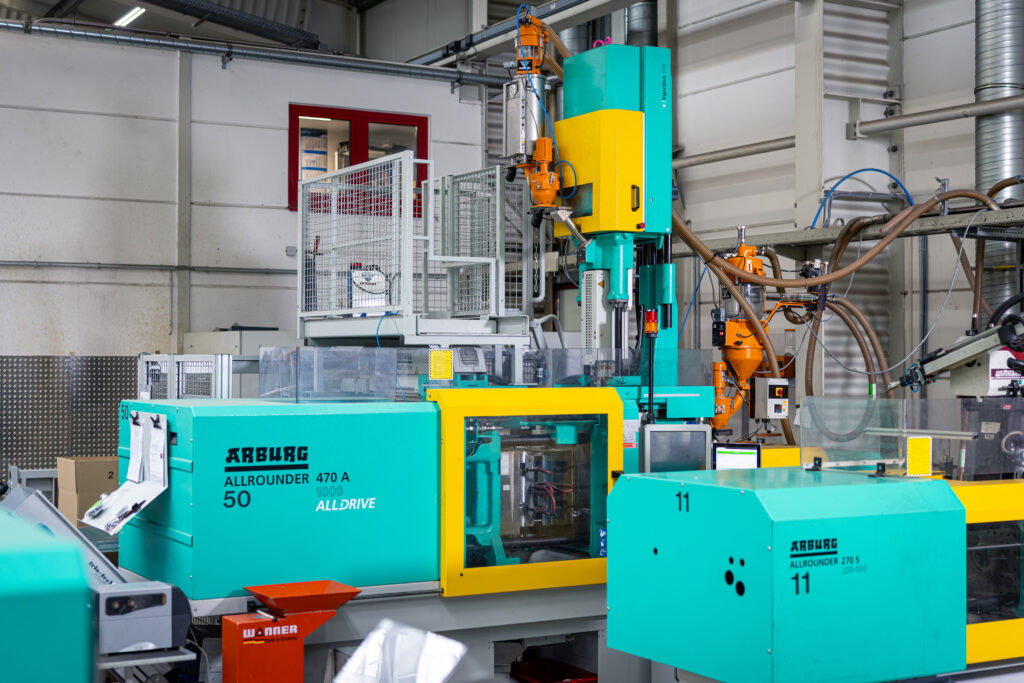
With our 2K injection molding process, we combine different plastics in a single manufacturing step – for complex parts with maximum functionality.
Multi-component Injection Molding from a Single Source
2K injection molding enables the production of parts from two different plastics in one operation.
The result: Material- and form-fit connections that are mechanically resilient, visually appealing, and economically superior.
At Schröder + Heidler, we have modern multi-component injection molding machines and the expertise to implement even complex hard-soft or hard-hard combinations with process reliability. We design and build the required molds in our own two-component tooling department. From prototype to large series production, we support your project with experience and precision.
- Reduced assembly costs through integrated manufacturing
- Increased component quality through material-fit connections
- Shorter cycle times compared to individual production with assembly
- Hard-soft combinations for seals, grips, and comfort components
- Flexible material combinations for individual requirements


Technology for the Highest Demands
Our 2K injection molding is used wherever parts made of multiple materials are required without additional assembly steps. The direct connection in the mold creates high-precision parts with excellent haptics, sealing properties, and durability. Whether rotary table process, transfer technology, or core-back process: We select the optimal method for your component and ensure reproducible quality in every series.
-
Automated manufacturing processes and continuous quality monitoring guarantee consistently high results – part by part, series by series.
-
From thermoplastics to elastomers and high-performance engineering plastics – we combine the right materials for your application.
-
By integrating multiple work steps into one cycle, you significantly reduce manufacturing costs and shorten your time-to-market.
Applications in 2K Injection Molding
Our multi-component injection molding is used across industries – wherever functionality and quality are crucial.
Electrical Engineering
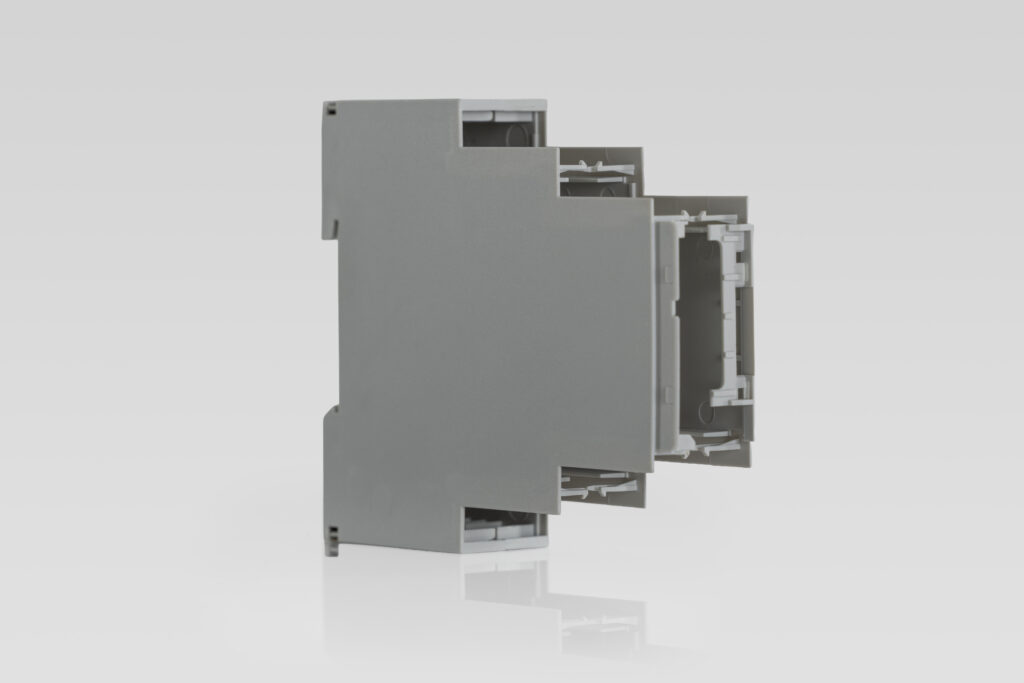
Insulation components, connectors with integrated seals, and contact carriers with snap pins – customized 2K components for electrical engineering.

Automotive Industry
For our operating components – in the automotive sector, we rely on 2K solutions that meet the highest demands for haptics and durability.
Consumer Goods and Mechanical Engineering
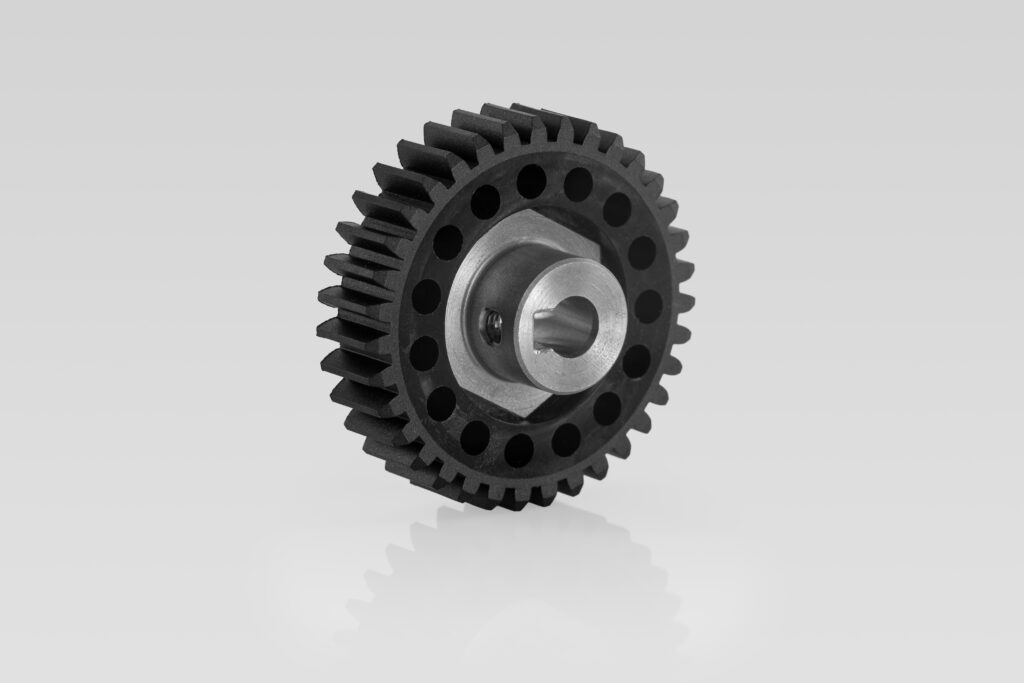
From ergonomic grips and operating elements to functional parts with integrated seals – 2K injection molding offers design freedom for a wide range of applications.
From inquiry to the finished 2K component – our process in three steps.
We accompany you from the initial idea to series production readiness. Our structured process ensures transparency, speed, and optimal results.
Consultation and Concept
Together, we analyze your requirements, check feasibility, and recommend the optimal material combination and process technology for your 2K component.
Toolmaking and Sampling
Our in-house toolmaking department designs and manufactures your 2K mold. After sampling, we optimize the parameters until every detail is perfect.
Series Production and Quality
In series production, we guarantee reproducible quality through continuous process monitoring and testing according to ISO 9001 and IATF 16949.
Why 2K Injection Molding with Schröder + Heidler?
Decades of experience, state-of-the-art technology, and a well-coordinated team – that makes us a reliable partner for your multi-component project.
In-house Toolmaking
From tool concept to maintenance – our integrated toolmaking ensures short distances, quick adjustments, and full control over tool quality.
Flexible Machine Capacity
Our 2K injection molding machines cover a wide clamping force range – from small to larger components, we manufacture economically and precisely.
Certified Quality
Our production is certified according to ISO 9001:2015 and IATF 16949:2016. This means we meet the strict quality requirements of the automotive and electrical engineering industries.
Assembly Included
Upon request, we also undertake the assembly of your 2K components into ready-to-install assemblies – including testing and packaging according to your specifications.
Frequently asked questions about 2K injection molding
In 2K injection molding, two plastic components are processed one after the other in a single machine cycle. First the pre-molded part is produced from the first component, then the second component is molded onto or around it. The part leaves the machine as a finished, bonded unit.
In 2K injection molding, both components are produced in the same machine in the same cycle. In insert molding, a separately manufactured or purchased part is placed in the mold and overmolded. The process is therefore less automated, and the parts have to be stored and handled in between.
The most common are hard-soft combinations of an engineering thermoplastic and a thermoplastic elastomer. Hard-hard combinations and silicone on thermoplastic are also possible. Whether two materials bond chemically depends on the specific pairing; where adhesion is lacking, the connection is achieved mechanically through the geometry.
There is no universal threshold. The 2K mold costs more than a single-component mold, but over the entire series it eliminates an assembly step including the joining part and inspection. The higher the quantity and the more complex the eliminated assembly, the sooner the investment pays off. We calculate this against your volumes.
If the material pairing and geometry do not match, the soft component can detach, often only under load or after temperature cycling. That is why we clarify adhesion and anchoring before mold design and verify them on the first samples.
2K injection molding is the most common case of multi-component injection molding: two components in one part. When three materials are combined, it is called 3K injection molding. The umbrella term multi-component injection molding covers both; what is always meant is that the bond is created in the mold and not by downstream assembly.
Rotary table and transfer processes are widespread: the first component is molded, the preform is moved to the second station and overmolded there. Alternatives are index plate and core-back processes. Which process is suitable depends on part geometry, material pairing and quantity, and it determines the design of the mold.
A 2K mold needs a second runner system, a transfer mechanism for the preform and separately routed temperature control circuits, because the two materials have different processing temperatures. This makes it more complex than two individual molds, but saves an assembly step over the series.

Ready for your 2K project?
Whether new development or optimization of existing components – we are happy to advise you on the possibilities of 2K injection molding. Speak with our experts and learn how we can implement your requirements economically and with quality.